Explore Student Work
Real challenges. Real thinking. Real outcomes.
“At first I was nervous, but by the end I wanted to stay and keep working with my team.”
Hudson Lab Ventures students work on challenges that companies are actively trying to solve. The examples below show how students identify problems, test ideas, and communicate their thinking in real-world settings. The examples below offer a snapshot of student work. Projects vary by challenge, team, and location, but all reflect how students think, collaborate, and communicate in real-world settings.
How we find problems and design solutions
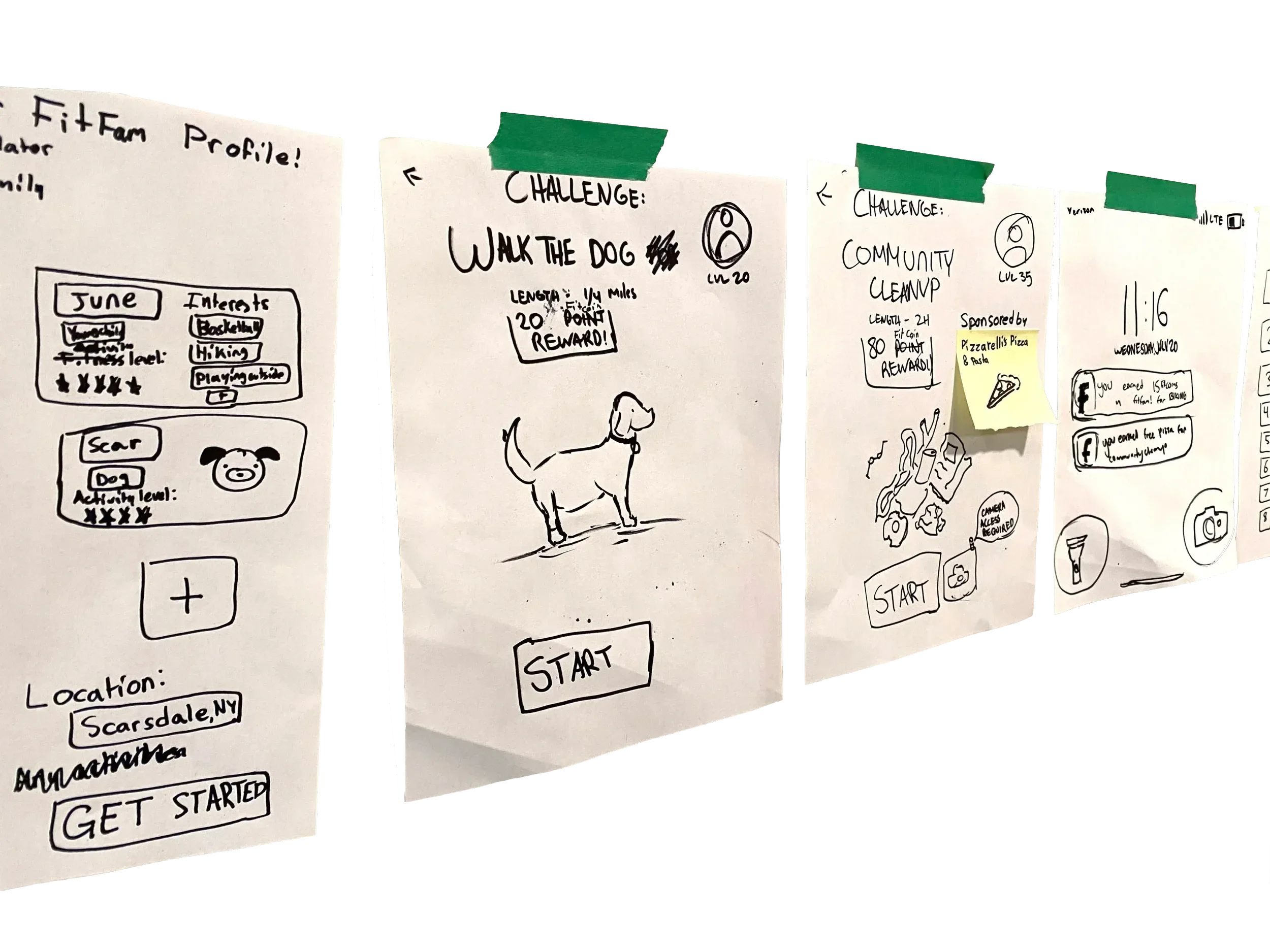
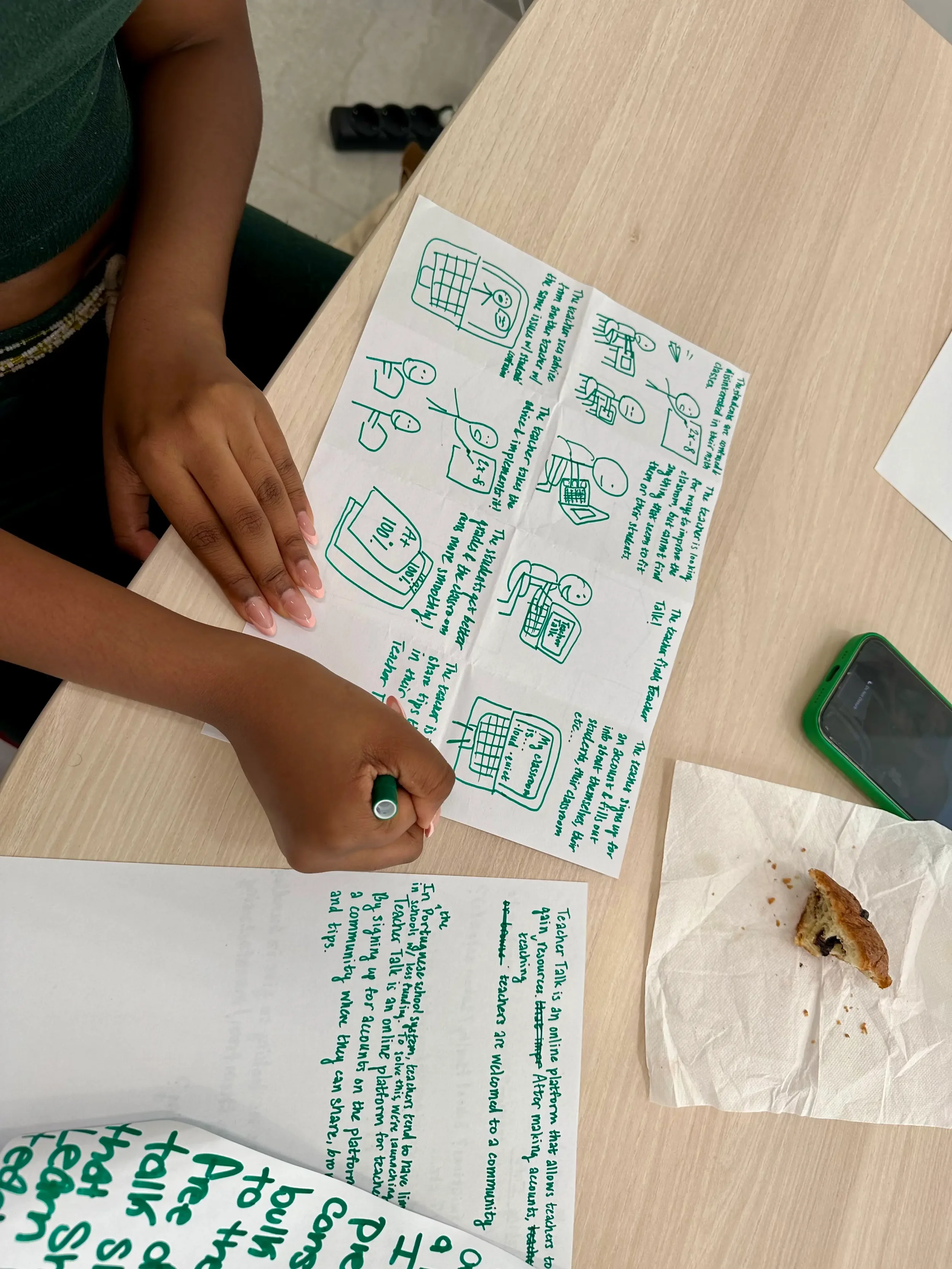
These artifacts show how students move from understanding a problem to designing and testing solutions under real-world constraints.
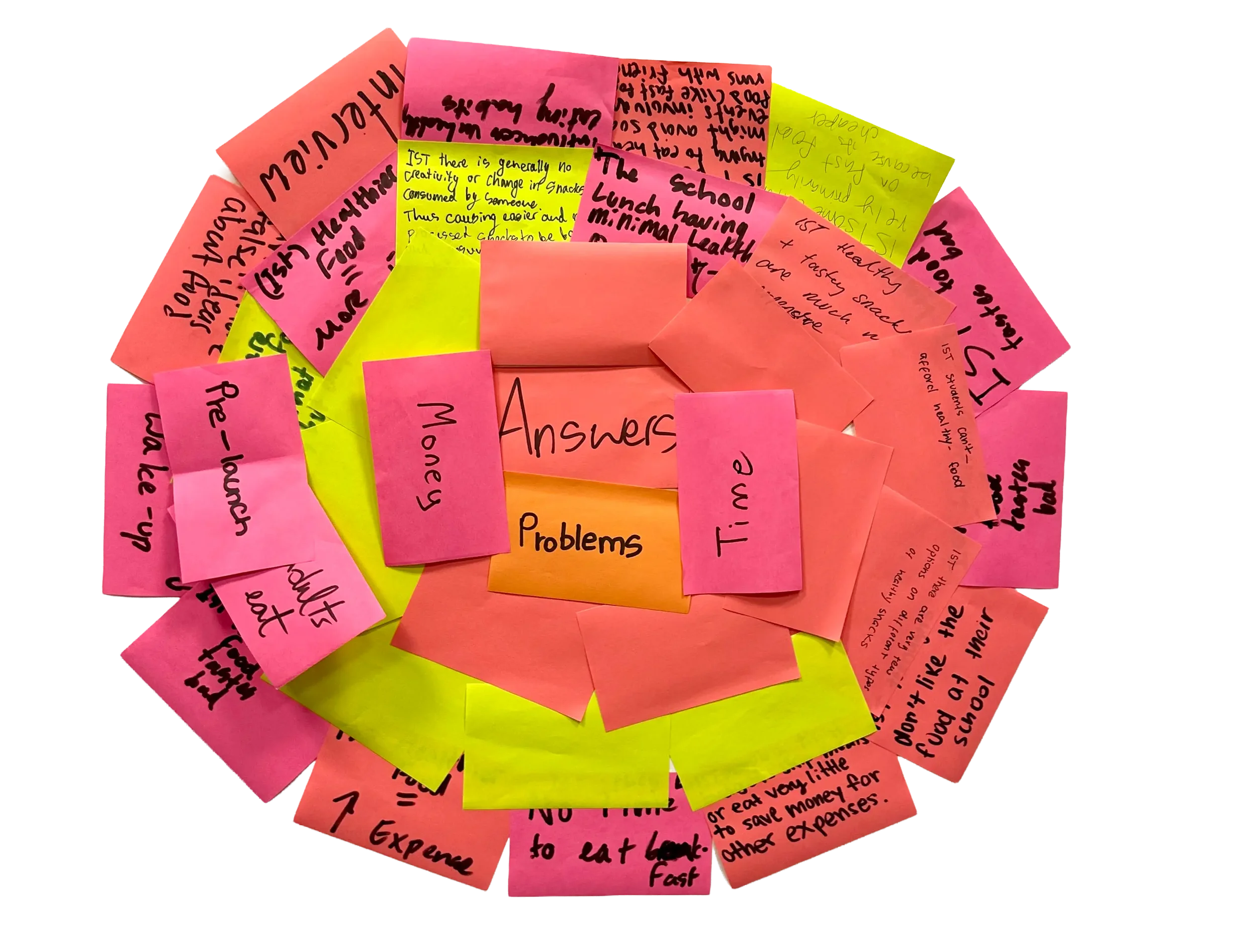
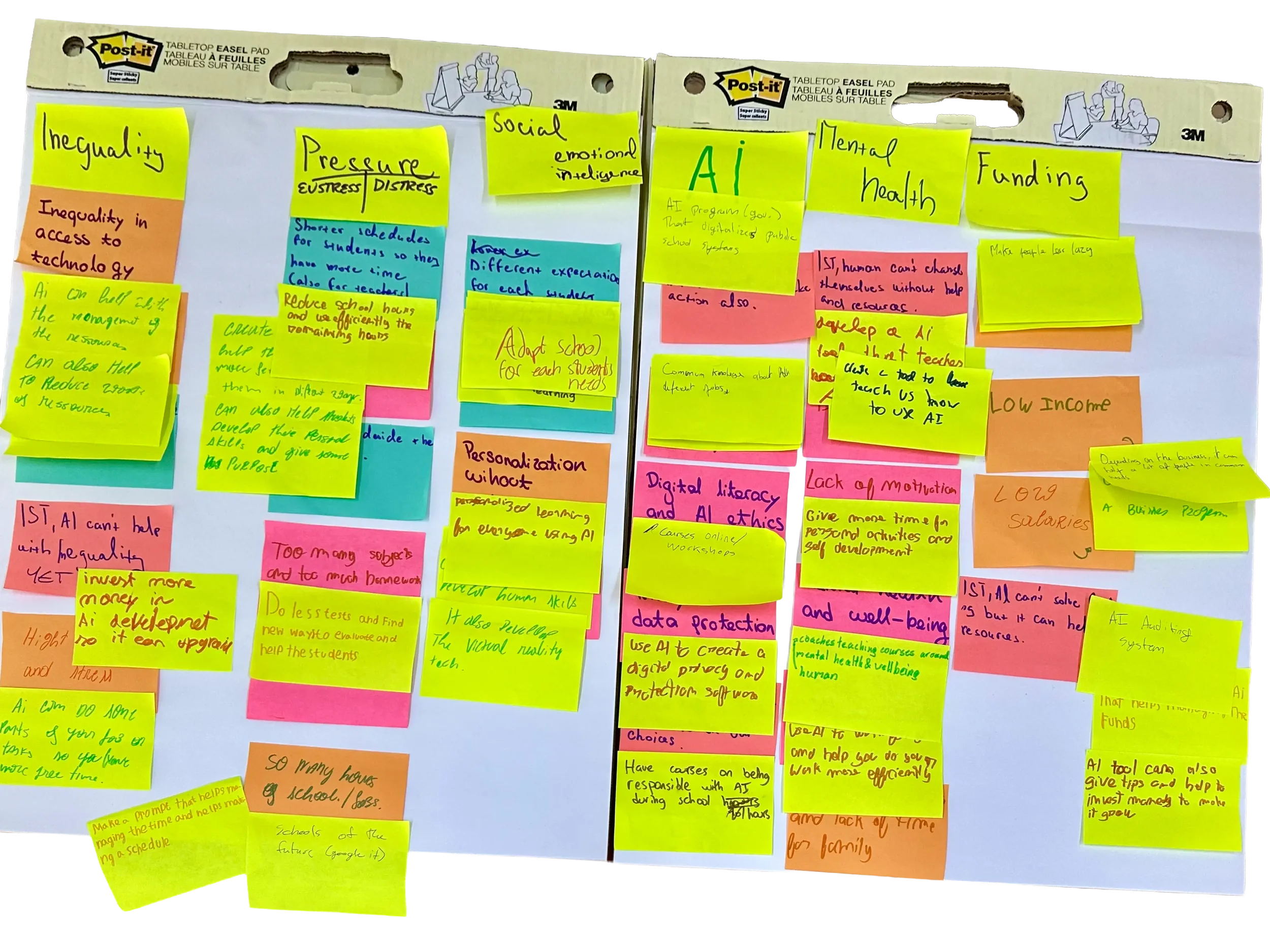
Make sense of competing stakeholder problems
Start with the problem,
not the solution
Understand the user’s experience end to end
Design a
solution grounded
in daily behavior
This process mirrors how teams work inside companies and venture studios, not how projects typically unfold in classrooms.
Sample Student Project
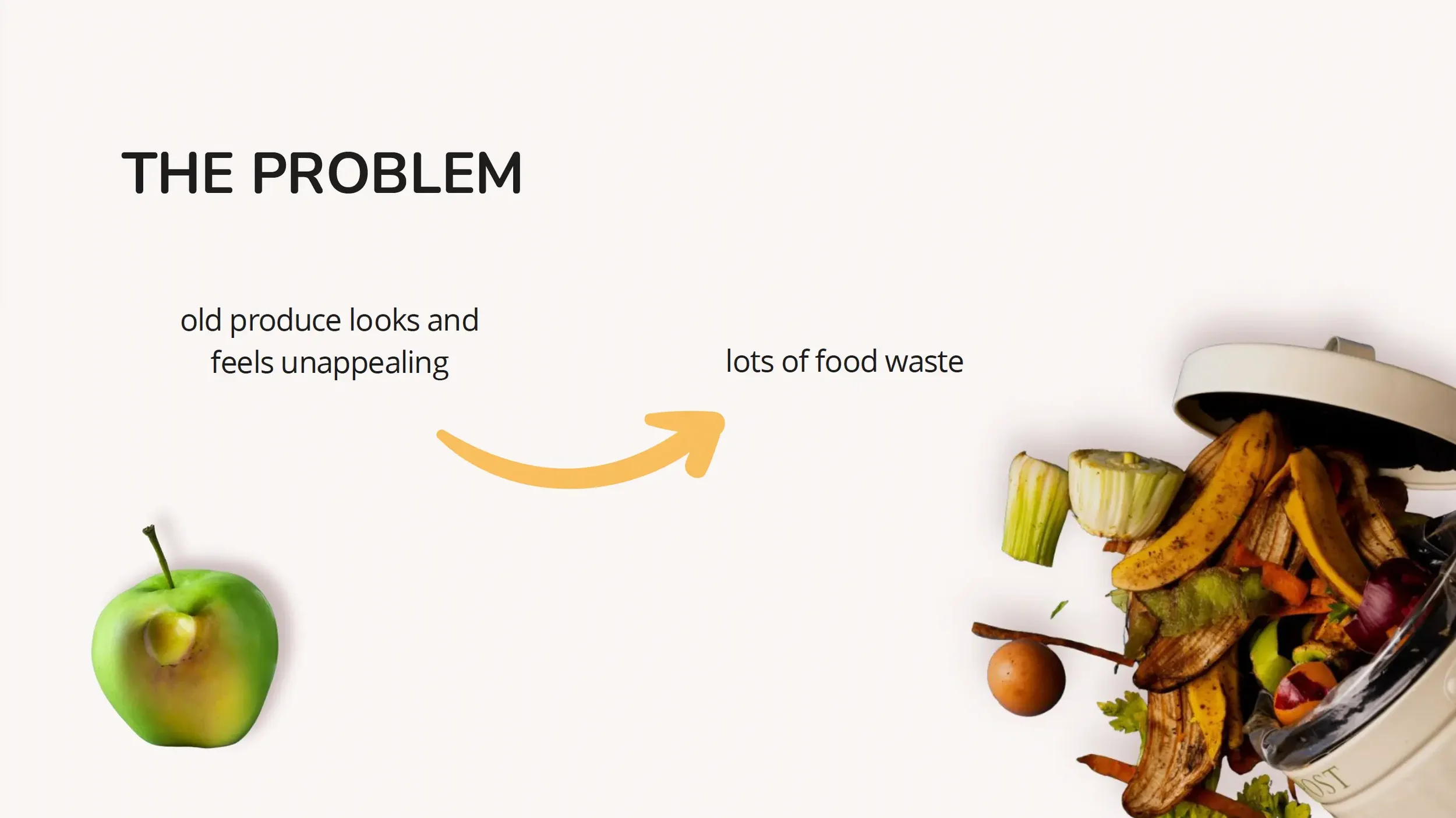
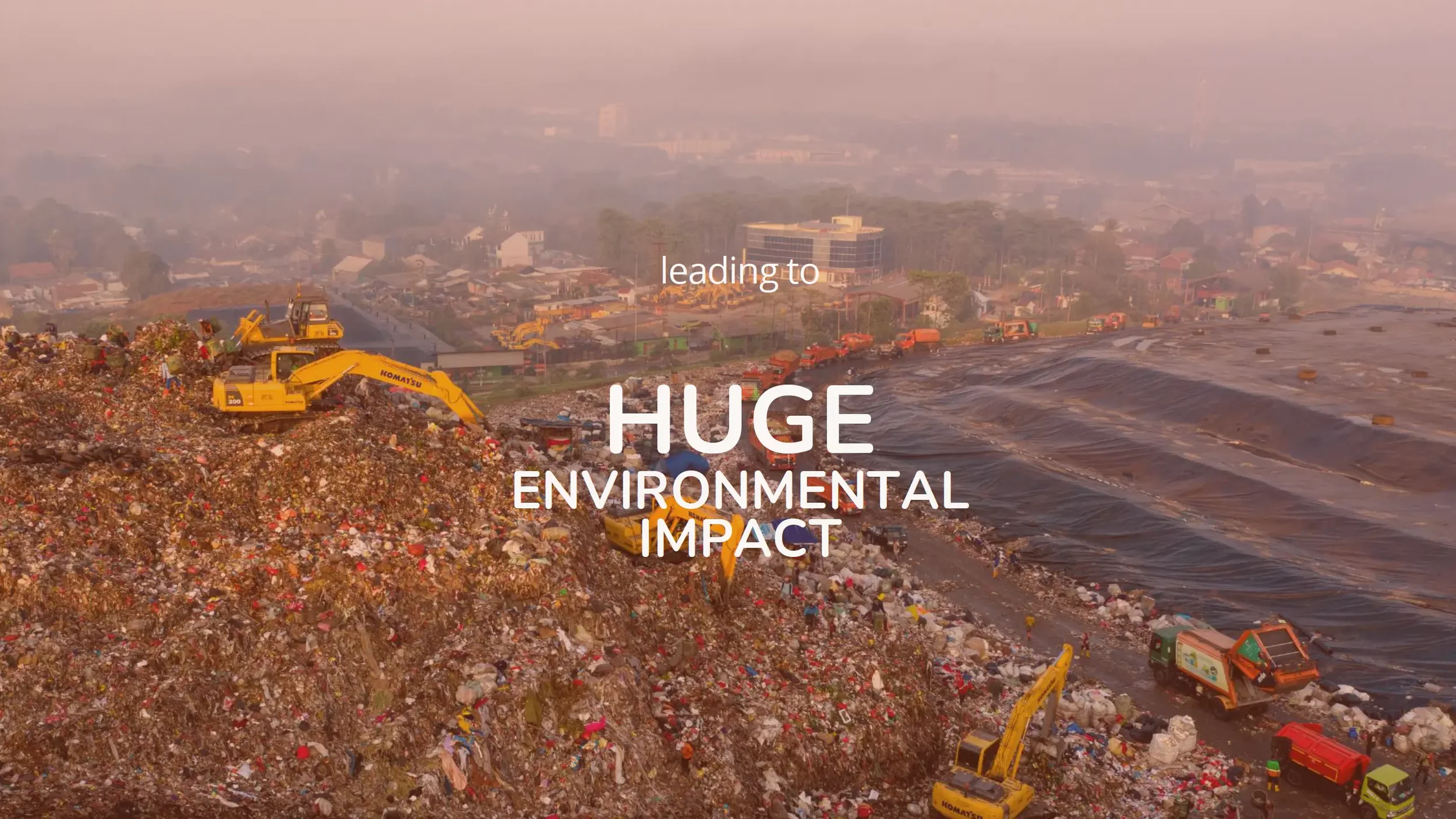
One of our student teams designed this solution to reduce food waste while increasing customer loyalty for the national grocery chain Continente. This team was just one of the teams invited to present to the Board of Directors for Sonae, the largest employer in Portugal.
The Challenge
The Solution Students Proposed
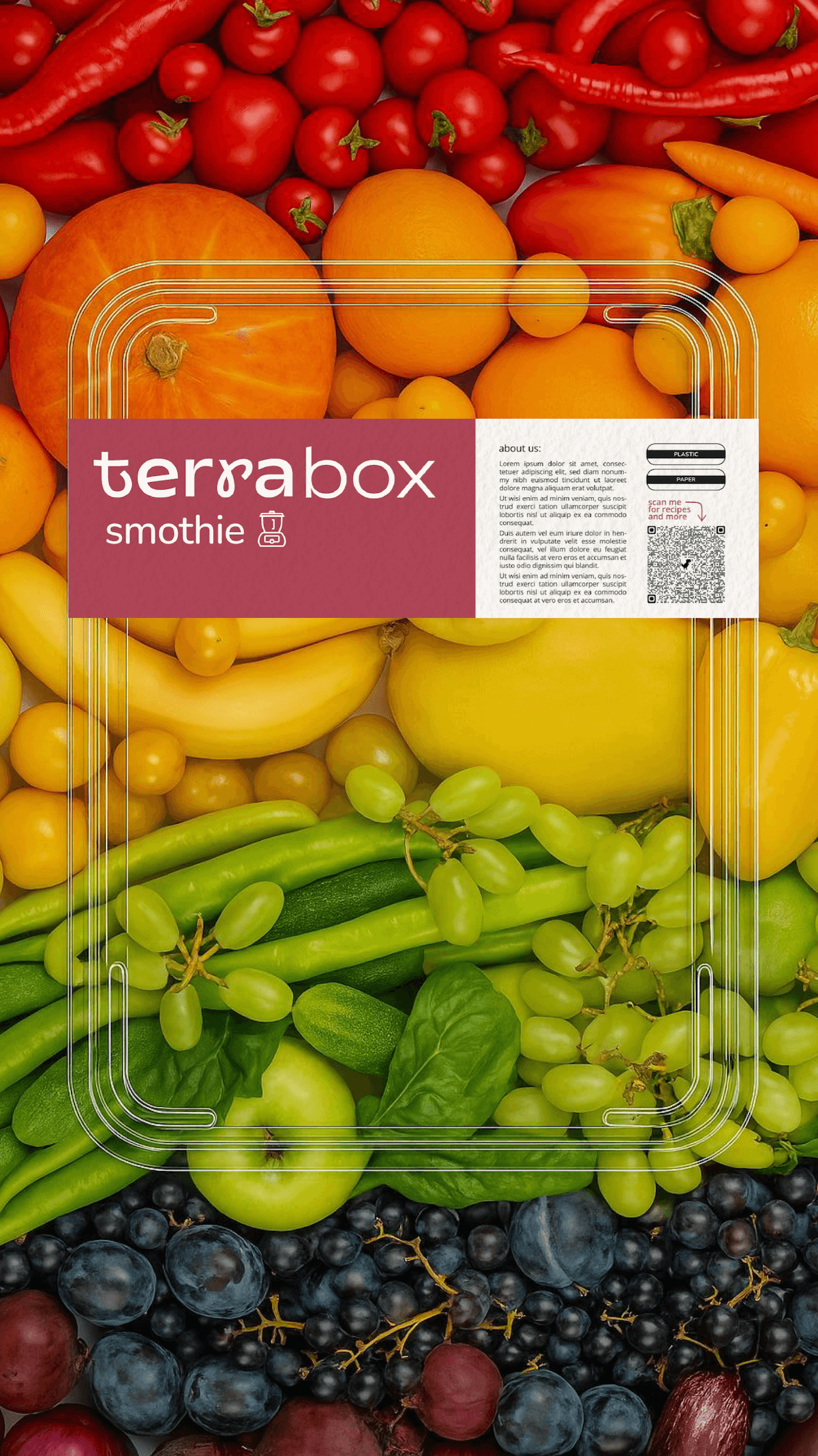
In addition to thoughtful design and clear messaging, the Terrabox team developed a solution that addressed food waste by focusing on how families actually plan, shop for, and prepare meals. Using surveys and interviews, students uncovered behavioral and operational constraints that shaped what would realistically work inside a national grocery chain. Team members took on distinct roles across research, product development, marketing, design, business strategy, and storytelling, learning how different strengths come together in effective teams. Working collaboratively, they translated insight into a cohesive proposal that balanced creativity, feasibility, and business impact.
Feedback from one of our Innovation Challenge Sponsors
“Mind Blowing! We would love to welcome you to share your ideas with our Board because we are really proud of what we saw.”
– Director of Innovation at José de Mello
Ready to learn more?
Curious how projects like this fit into the full experience? Watch the on-demand information session or download our one-page summary.