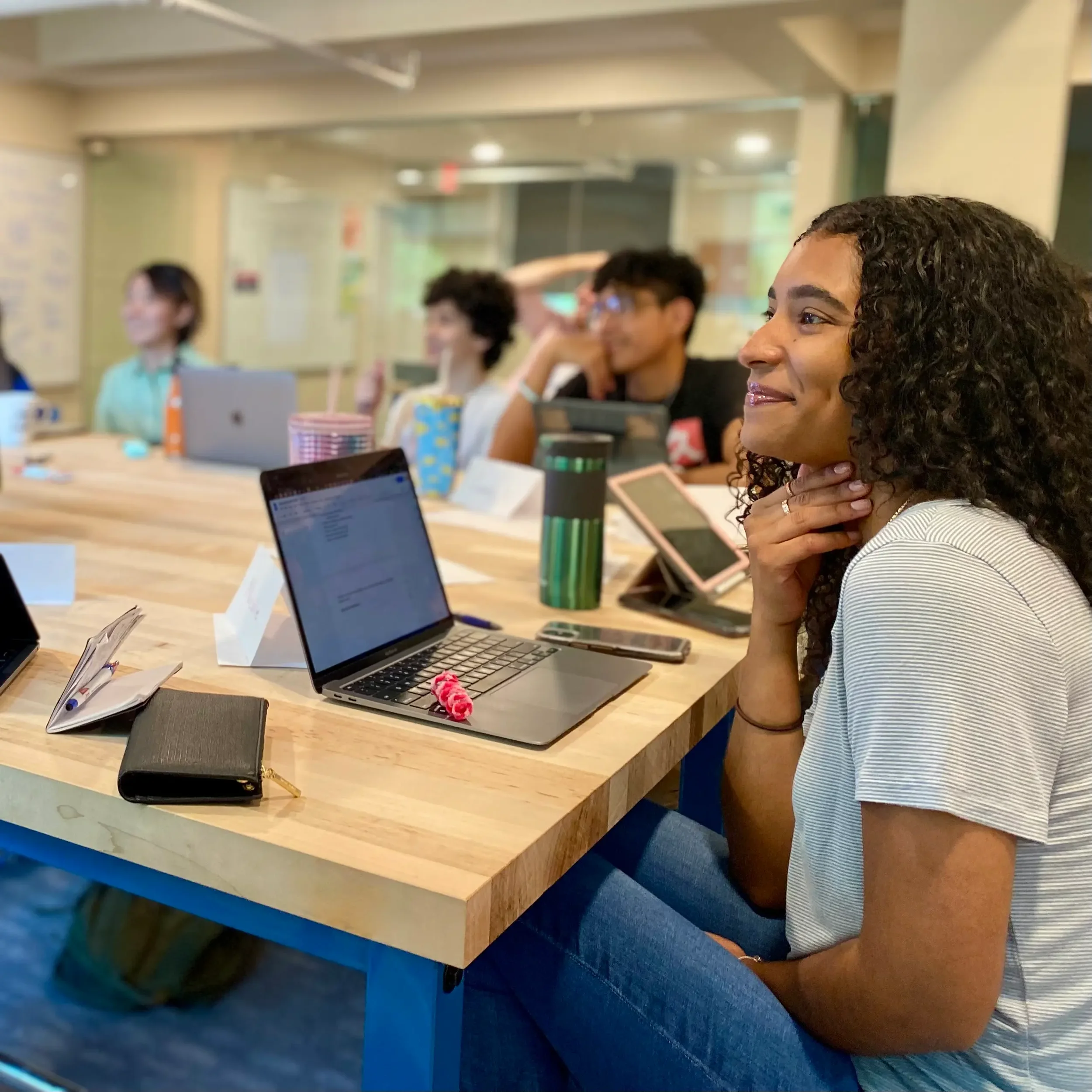
New York City Summer Innovation Challenge
A two-week, real-world entrepreneurship experience at Columbia University for high school students ready to collaborate, take on responsibility, and grow.
Location: Columbia University
Dates: July 13-24
Schedule: Mon-Fri, 9:30am - 4:30pm
Ages: 13-18
Residential & Commuter Options
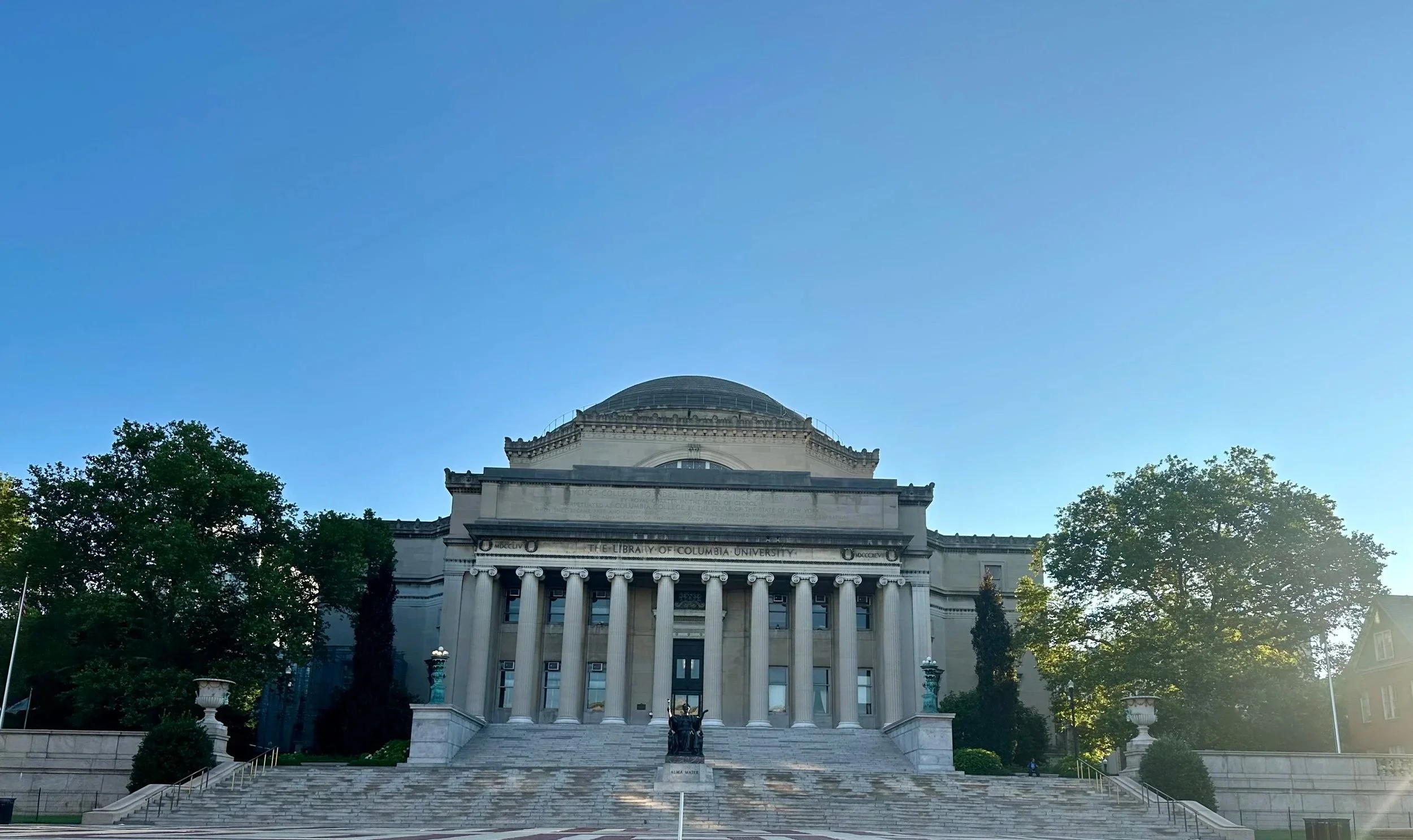
The NYC Innovation Challenge
For the NYC innovation challenge, Hudson Lab Ventures is proud to partner with the Roger Lehecka Double Discovery Center at Columbia University.
Students will dive into inclusive entrepreneurship initiatives with New York City serving as a living laboratory, students will have firsthand exposure to the social, economic, and cultural forces shaping inclusive innovation.
Is This the Right Program for Your Child?
-
The NYC program is designed for high school students (typically ages 14–18) who are curious, motivated, and ready to engage seriously with complex, real-world problems.
Students do not need prior experience in entrepreneurship or business. They do need to be willing to participate actively, collaborate with peers, and take responsibility for their work.
-
Students who thrive often:
Enjoy collaborative problem solving
Are curious about how ideas turn into action
Are open to feedback and iteration
Are willing to speak up, even when unsure
Introverted students often do very well, especially when given time to build confidence through practice and supportive facilitation.
-
Hudson Lab Ventures is not a simulation or a class.
Students work on real challenges connected to real organizations, receive feedback from practitioners, and present their work to authentic audiences.
Responsibility is real, expectations are high, and students are treated as capable young adults.
-
Students are expected to:
Participate fully in teamwork
Make decisions and explain their thinking
Manage their time and contributions
Learn from mistakes and revise their work
Facilitators provide structure and support, but students are not micromanaged.
-
Students seeking a recreational summer are probably not the right fit. Students uncomfortable with ambiguity (often high-achievers) may struggle at first, but this program is exactly what you need.
Program Rhythm
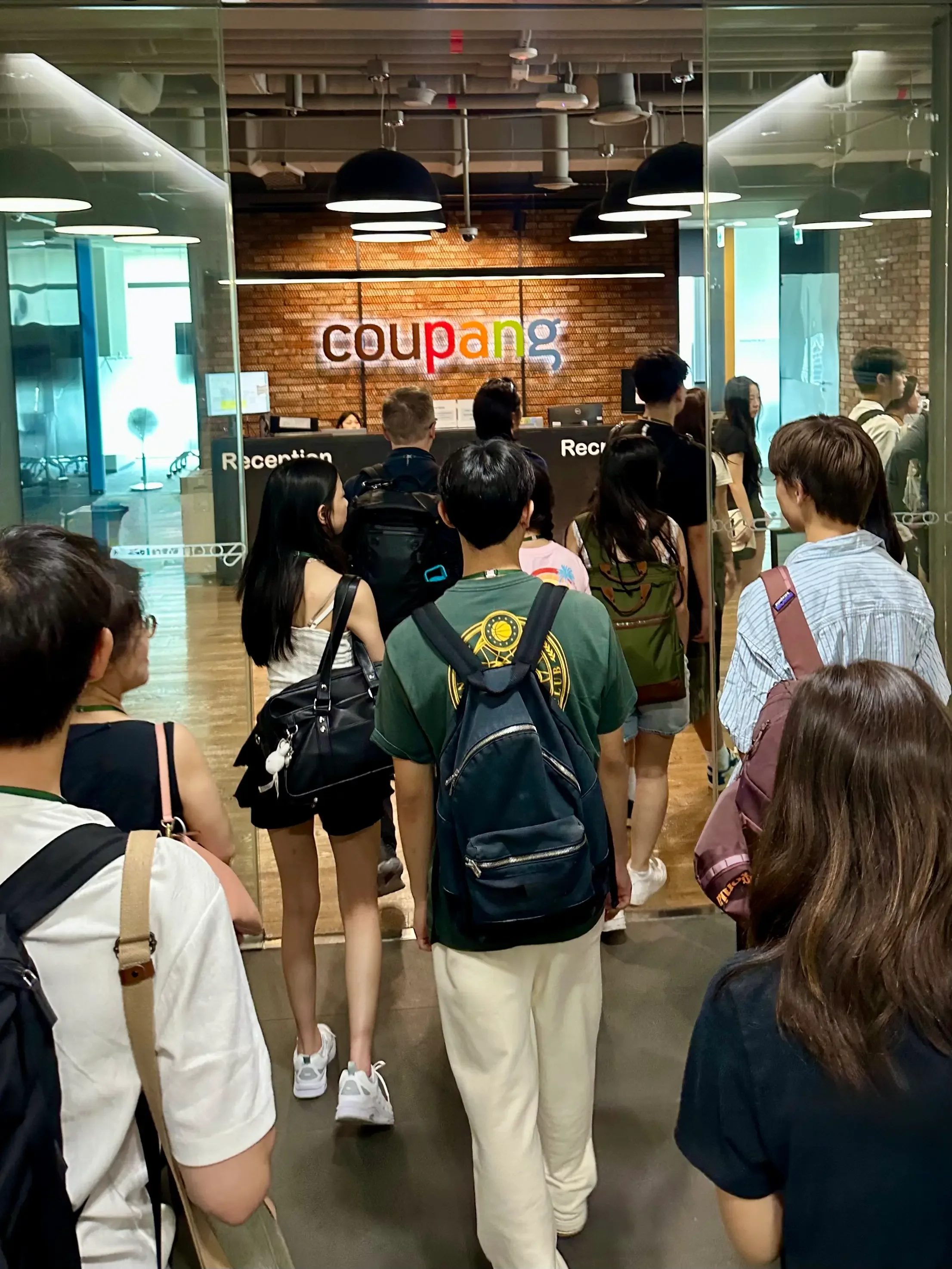
Understand the Challenge
Meet the challenge sponsor, explore context, and build empathy for the problem.
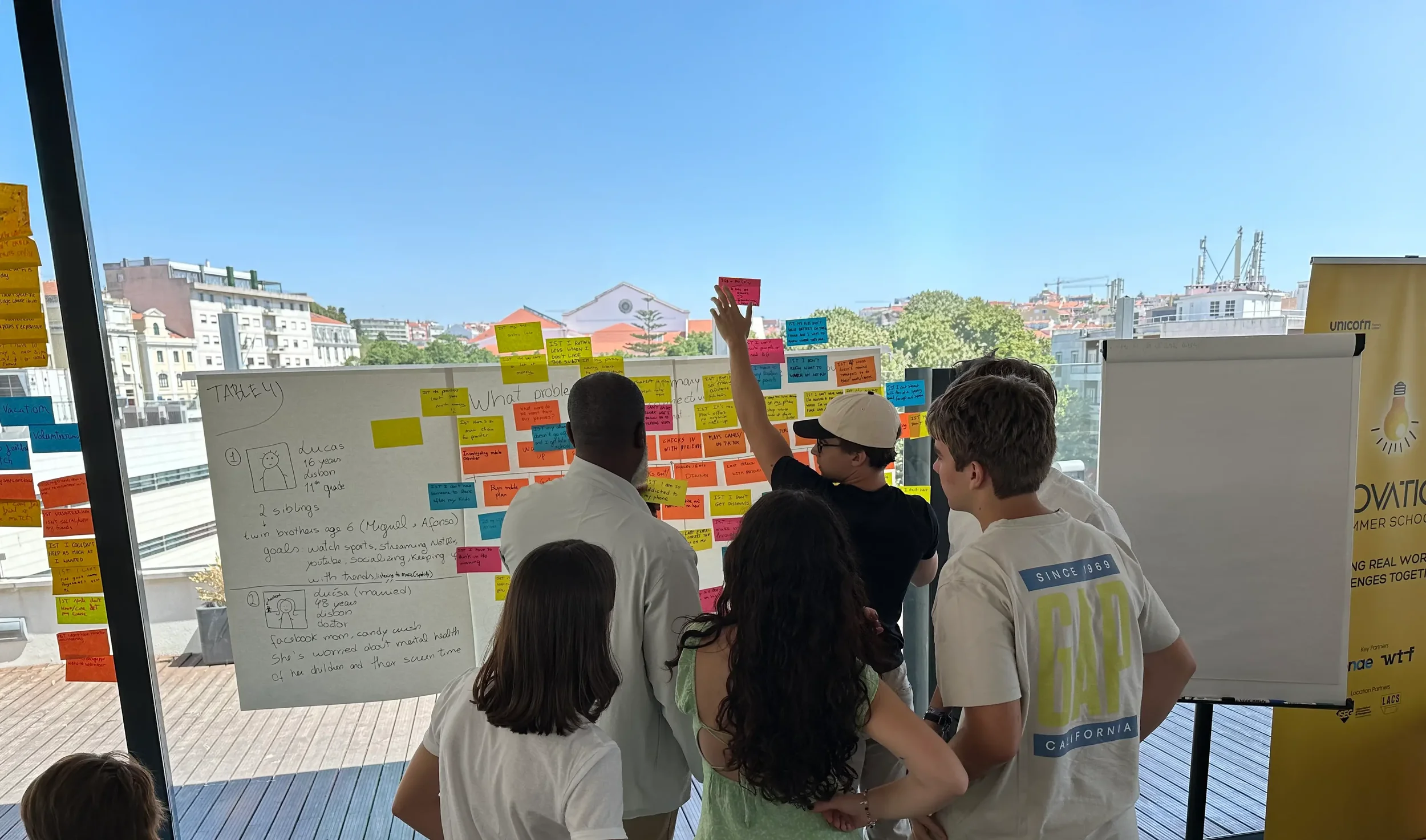
Reframe & Prioritize Problems
Dig into stakeholder needs, surface insights, and identify problems worth solving.
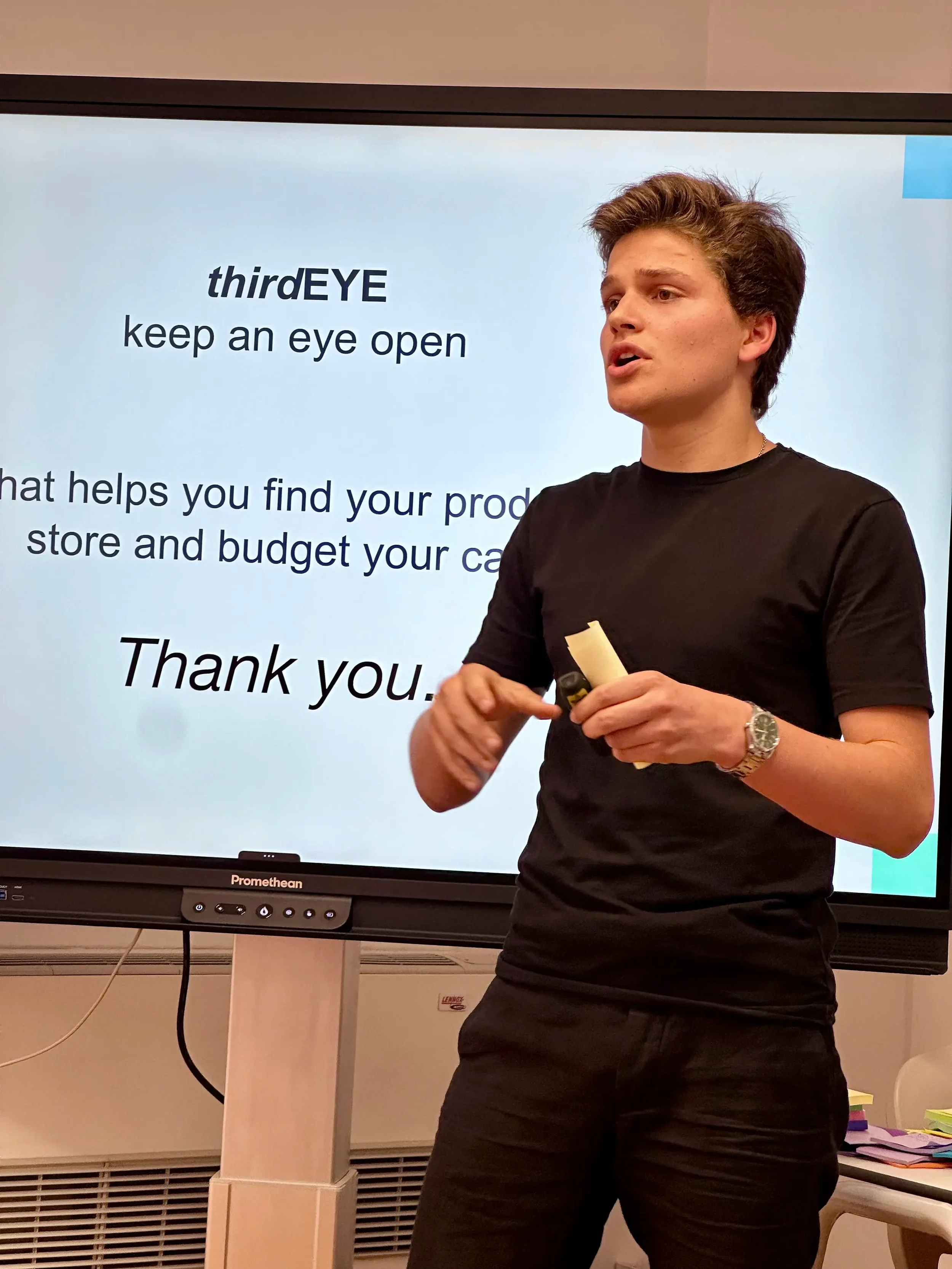
Pitch & Form Teams
Students pitch ideas and form teams around the most compelling ones.
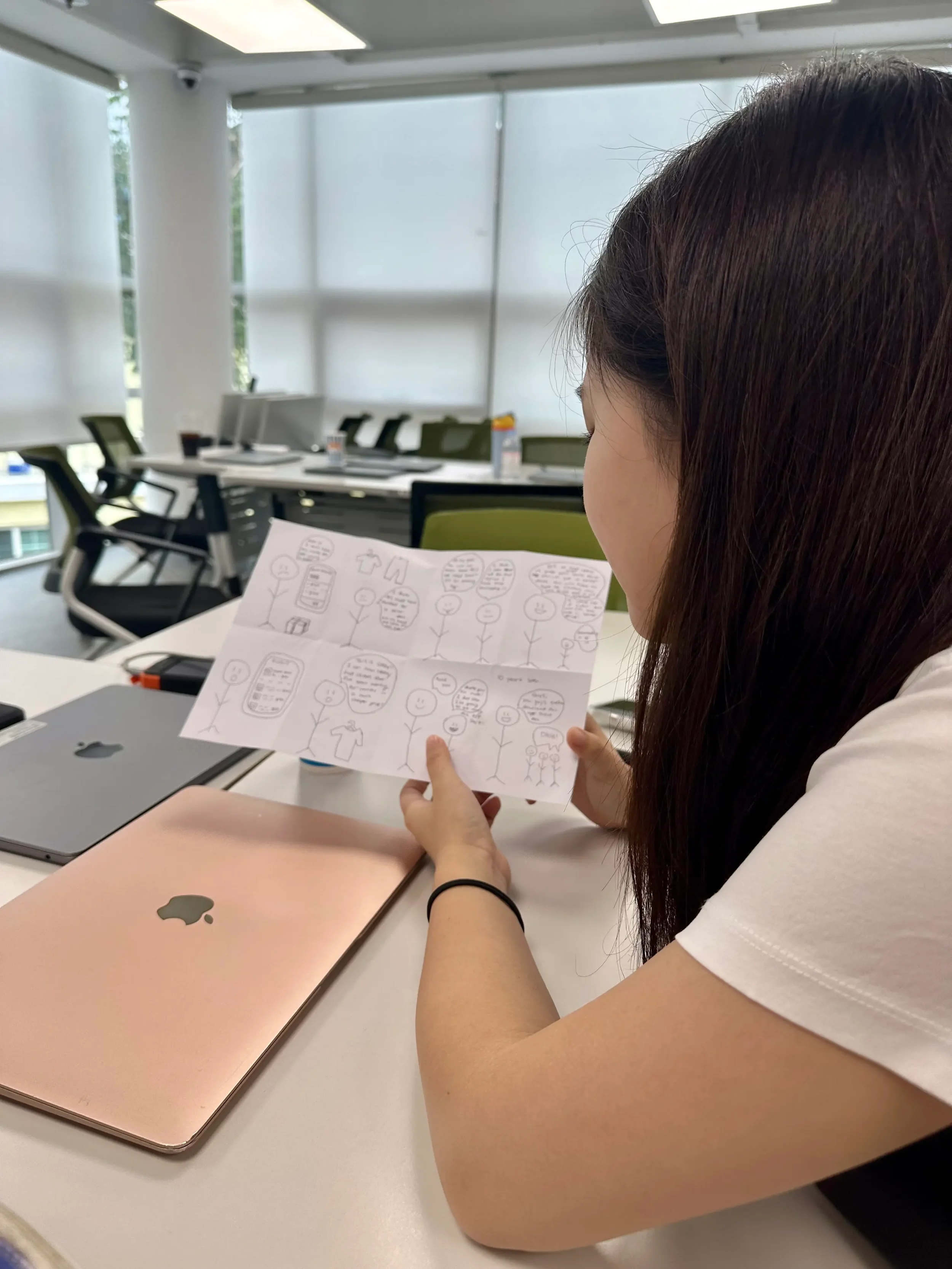
Design & Develop Solutions
Teams research, iterate, and refine their solutions while preparing a persuasive pitch.

Pitch to an Authentic Audience
Students pitch their work to challenge partners, executives and experts.

New York City
New York City offers students an unmatched cultural experience, with world-class museums, historic landmarks, and vibrant neighborhoods that reflect every corner of the globe. From Broadway shows to music scenes, iconic parks to local street art, NYC is a living classroom where inspiration and creativity thrive at every turn.

Live on Campus at Columbia University
Students aged 14 and older are eligible to live in Columbia University residence halls on the Morningside campus. Residential students are supported by live-in Resident Advisors (RAs) and Hudson Lab Ventures staff, with clear expectations and supervision in place outside formal program hours.
Check-in: Sun, July 12 at 1 pm
Check-out: Sat, July 25 at 11 am
-
Living on Columbia’s Morningside campus gives students a true taste of summer in New York City. Between sessions, students might relax on the iconic steps of Low Library, work out at Dodge Fitness Center, explore the Butler Library stacks, or grab a meal in the dining hall or at a nearby neighborhood spot.
Live-in Resident Advisors are on hand to support students and ensure their well-being, creating a safe and memorable summer experience on campus.
-
Residential students are supervised by live-in Resident Advisors (RAs) in coordination with Hudson Lab Ventures staff. RAs live in the residence halls and are available to support students, enforce expectations, and respond to concerns outside of program hours.
-
Students living on campus are expected to follow program guidelines, respect shared spaces, and communicate with Resident Advisors when needed. Clear expectations around curfews, movement, and conduct are shared with students and families before the program begins.
-
Residential life includes access to campus dining as well as nearby neighborhood options. Specific details about meals, gym access, linens, and other logistics are shared with enrolled families in advance.
-
Expectations around movement on and off campus are clearly defined and age-appropriate. Students are not expected to navigate the city independently, and guidelines are designed to balance responsibility, safety, and the realities of being in New York City.
Questions about housing or student care? Families are always welcome to reach out or attend an info session.
What Students Leave With
By the end of the NYC program, students leave with:
Experience tackling a real, complex challenge with real expectations
Greater confidence communicating ideas and working in teams
Practice navigating ambiguity, feedback, and iteration
A clearer understanding of how ideas become action in the real world
Perspective gained from learning in a university and city context
Ready to take the next step?
Applications are short and focused on fit and interest rather than prior experience.
Apply to the NYC program or join an info session to learn more.